
Meat Defatting Process
The meat defatting process is an industrial method used to separate and reduce the fat content from raw, minced, or mechanically separated meat. The primary goal is to produce lean meat fractions while simultaneously reclaiming high-quality animal fat for separate commercial use. The process involves receiving and grinding the material, followed by heating to liquefy fats, then decanting to separate the lean meat from the liquids and separating the liquid stream into fat and water.
Natec Network offers the latest meat defatting technology through direct steam injection increasing process efficiency.
1. Grinding
Raw material - such as mechanically deboned meat, poultry, or fatty trimmings - is ground down to maximise the surface area for efficient processing as done by Grinders.
2. Cooking
The ground material is cooked to kill microorganisms and to liquefy the fats. Conventional meat defatting often uses melt tanks, which make the process time-consuming and energy intensive.
Latest defatting technology includes steam injection as performed by the RotaTherm continuous cooker. Injecting steam directly into the product speeds up the heating process and is more energy efficient.
3. Decanting
After heating, the material separates into liquid and solid materials. A decanter is used to separate the lean meat fraction from the fatty liquid phase.
4. Separation
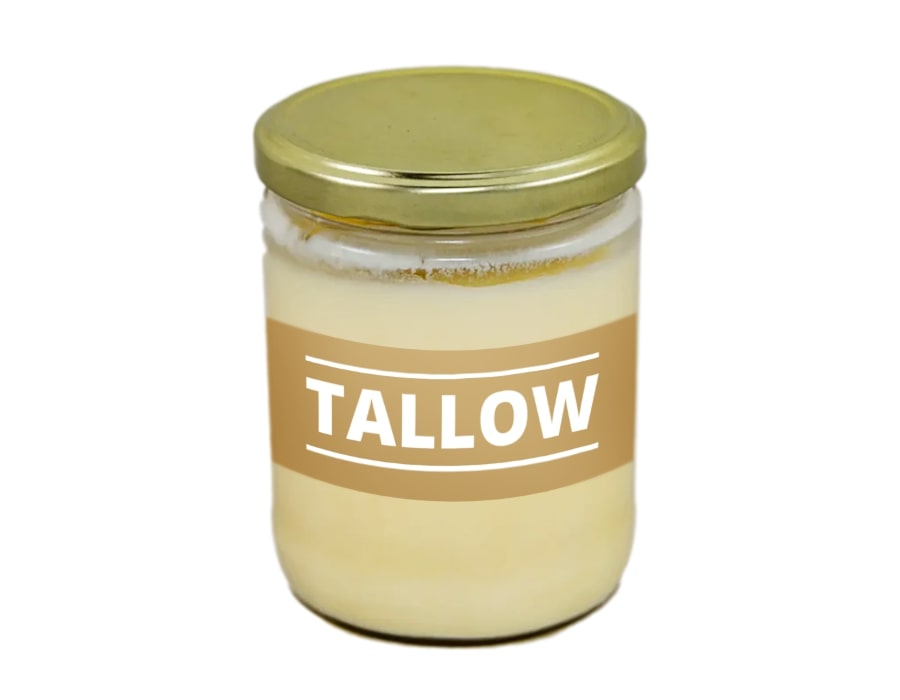
The liquid stream is separated into water and fat by using centrifuges (separators). The fat collected is used as edible tallow.
5. Further Processing
The defatted solids are then dried, ground into meal and prepared for the use in livestock feed or pet food.
The separated fat is processed, and the resulting edible tallow is resaleable for frying, baking or cosmetics. The same process can be used for producing technical tallow used to produce biodiesel fuel, soap, candles, and lubricants.
Benefits with the Natec Network
RotaTherm for Meat Processing

Tell us about
your project
Contact us and we will help you
set up your processing line.