
Meat Pie Filling Production Process
Meat pie filling production process involves preparing raw ingredients like meat, vegetables, and thickeners like flour or cornstarch, followed by mixing all ingredients and seasonings. After cooking to ensure tenderness and food safety, then hot-filling the pastry shells and baking, the pies are rapidly cooled and stored.
Natec Network offers a time & space saving continuous solution eliminating batch to batch deviation.
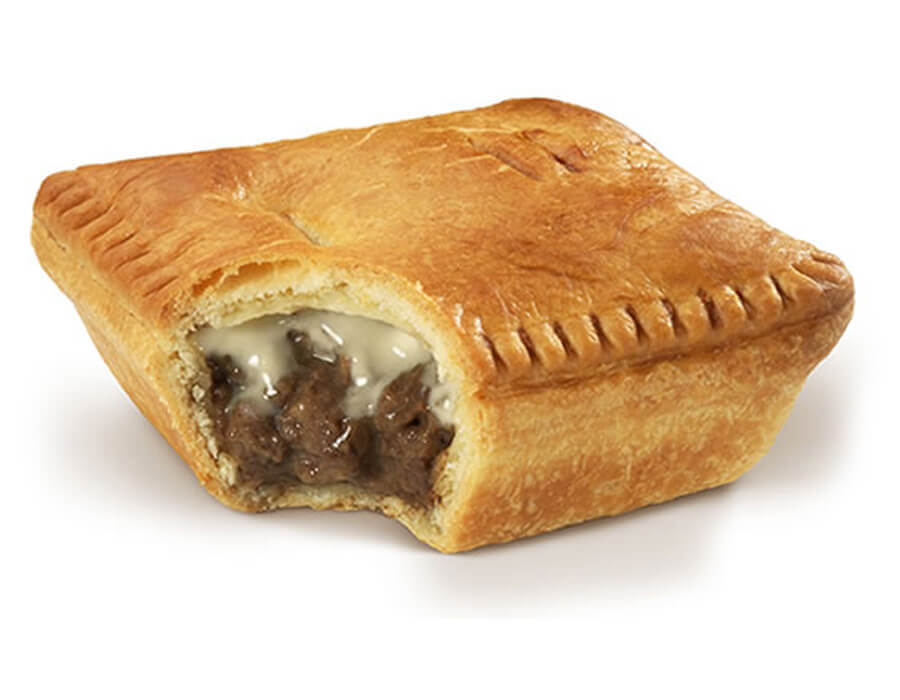
1. Filling Preparation
Vegetables are cleaned and chopped or diced. Meat is cut into small pieces. Flour or starches are prepared to thicken the filling and create the desired consistency.
2. Mixing Ingredients
All ingredients including seasonings are mixed before cooking. This step can be performed using a Blending Cell.
3. Cooking
The mixture is cooked using pressure cooking for rapid results or steam injection to tenderise meat and eliminate pathogens. Whether steam injection or cooking at high pressure - both requirements are met by the RotaTherm continuous cooker. The RotaTherm additionally offers a continuous cooking process to eliminate batch to batch variations, reduce the production time, and achieve high throughput.
4. Pie Filling & Baking
Pie tins or molds are lined with the base pastry sheet. The meat filling is deposited into each pastry shell using the hot fill method. The top pastry is placed over the filling, and the pies are conveyed into large industrial ovens to be baked at controlled temperatures for a specified time.
5. Coolling & Storage
The final product is then rapidly cooled by spiral freezers and ready for storage and sale.
Benefits with the Natec Network
Test the process
RotaTherm for Meat Processing

Tell us about
your project
Contact us and we will help you
set up your processing line.